Potential Uses of Nanotechnology in Healthcare: Nanotechnology's Unique Properties as a Diagnostic Tool and Medical Domain

Article Sidebar
-
Nanotechnology, Properties, Healthcare, Diagnostic, Medical Domain
Abstract
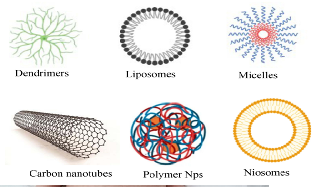
Nanomedicine exists as one main healthcare field which benefits from nanotechnology applications. Various nanotechnology-based diagnostic and imaging tools together with pharmaceutical products alongside biomedical implants and targeted medicinal treatments and tissue engineering applications and several nanoparticles serve these healthcare fields. Nanotechnology enables high toxicity therapeutic cancer drugs and other treatments to receive improved safety profiles during administration. Wearable technology has the ability to detect critical indicator changes and cancer cell states and infections during real-time monitoring. These technologies situated in the fundamental problem will make essential data about vital sign changes and sickness causes readily accessible to doctors. Bioinformatics through predictive analytics technology enables solutions for medical treatments. The authors researched medical nanotechnology-related papers by investigating Scopus, Google Scholar, ResearchGate along with additional research platforms. The study investigates all applications of nanoparticles throughout medical practices. The medical applications of nanotechnology form the core focus in this research work. The second section introduces the medical aspects of nanotechnology by discussing its medical features together with its properties. The steering of nanotechnology development in specific domains requires collaboration between experts from academic, governmental and public sectors. This research evaluates numerous medical applications which nanotechnology can enable. The endocrine system regulates multiple body processes through its control mechanism while diabetes along with thyroid problems and Cushing's syndrome and obesity develop due to its disturbances. Close to fifty percent of participants developed fresh endocrine conditions leading to an overall medical diagnosis rate of 47.4% without treating type 2 diabetes mellitus. Nanotechnology has created new investigative possibilities for studying disease causes and treatments because its atomic and molecular particle manipulation approach. Reaching the end goal in developing nano-biosensors for endocrine treatment requires them to automatically detect minor hormone fluctuations while restoring balanced body system. The unique surface character together with reduced dimensions of nanoparticles makes them valuable agents for targeted drug transportation and more sensitive sensor design. Nano-scale drug delivery carriers made from lipids and polymers together with carbon and metals demonstrate superior performance compared to traditional delivery systems. Nanoparticles serve medical benefits as hydrogels for insulin delivery as well as wound treatment while providing superior outcomes compared to traditional endocrine diagnosis and management methods. The bioactivity together with targeted delivery of inorganic nanoparticles experiences enhanced performance through inclusion of selenium NPs. Research indicates that insulin delivery through gold nanoparticles has the potential to succeed. The incorporation of lipid and polymeric NPs along with mesoporous silica NPs gives healthcare professionals a way to protect medications from gastrointestinal destruction for effective glycaemic level management. Thyroid procedures have increasingly adopted carbon nanotubes (CNTs) during the recent period. Engineers find special attributes of diagnostic and therapeutic systems attractive because these systems include nanoparticles. The development of drug formulations through nanoparticle technology has established medical opportunities for treating resistant medical conditions. Size definitions for nanoparticles extend from 100 to 500 nm with certain exceptions from this range. Nanoparticles become smart systems when their size combination joins with surface modifications to their base material. The stealth-enabled systems have storage space for both therapeutic and imaging agents. These systems provide therapeutic drug containment and regional drug delivery strategies through controlled medication release systems. By continuously delivering medication through this specific system patients become more likely to follow their prescribed treatments and encounter lower numbers of adverse drug reactions. Nanotechnology advances both diagnostic assessments and exhibits potential to treat cancer in combination with AIDS while addressing multiple other healthcare conditions.
Full text article
References
Rivelli A, Fitzpatrick V, Wales D, et al. Prevalence of endocrine disorders among 6078 individuals with Down syndrome in the United States. J Patient-Centered Res Revi. 2022;9(1):70.
Jackson TC, Patani BO, Ekpa DE. Nanotechnology in diagnosis: a review. Adv Nanopar-tic . 2017;6(3):93-102 .
Javaid M, Haleem A, Singh RP, Suman R. 3D printing applications for healthcare research and development. Glob Health J . 2022;6(4):217-226 .
Cacciatore MA, Scheufele DA, Corley EA. From enabling technology to applica-tions: the evolution of risk perceptions about nanotechnology. Public Understand Sci . 2017;20(3):385-404 .
Lin H, Datar RH. Medical applications of nanotechnology. Natl Med J India . 2006;19(1):27-32 .
Shi J, Votruba AR, Farokhzad OC, Langer R. Nanotechnology in drug delivery and tissue engineering: from discovery to applications. Nano Lett . 2010;10(9):3223-3230 .
Zhang L, Qian M, Cui H, Zeng S, Wang J, Chen Q. Spatiotemporal concurrent libera-tion of cytotoxins from dual-prodrug nanomedicine for synergistic antitumor therapy. ACS Appl Mater Interfaces . 2021;13(5):6053-6068 .
Sahoo SK, Parveen S, Panda JJ. The present and Future of nanotechnology in human health care. Nanomedicine . 2007;3(1):20-31 .
Tarafdar JC, Sharma S, Raliya R. Nanotechnology: interdisciplinary science of appli-cations. Afr J Biotechnol . 2013;12(3):219-226 .
Basavaraj KH. Nanotechnology in medicine and relevance to dermatology: present concepts. Indian J Dermatol . 2012;57(3):169 .
Banerjee HN, Verma M. Application of nanotechnology in cancer. Technol Cancer Res Treat . 2008;7(2):149-154 .
Keller KH. Nanotechnology and society. J Nanoparticle Res . 2007;9(1):5-10 .
Cheon J, Chan W, Zuhorn I. The future of nanotechnology: cross-disciplined progress to improve health and medicine. Acc Chem Res . 2019;52(9):2405 .
Sivaramakrishnan SM, Neelakantan P. Nanotechnology in dentistry-what does the future hold in store? Dentistry . 2014;4(2):1
Barkalina N, Charalambous C, Jones C, et al. Nanotechnology in reproductive medicine: emerging applications of nanomaterials. Nanomed Nanotech Biol Med. 2014;10(5):e921–e938.
Badıllı U, Mollarasouli F, Bakirhan NK, et al. Role of quantum dots in pharmaceutical and biomedical analysis, and its application in drug delivery. TrAC Trends Anal Chemi. 2020;131:116013.
Contera S, Bernardino de la Serna J, Tetley TD. Biotechnology, Nanotechnology and Medicine. Portland Press Ltd; 2020:551–554. 9. Ahmed N, Fessi H, Elaissari A. Theranostic applications of nanoparticles in cancer. Drug Discovery Tod. 2012;17(17–18):928–934.
Kovacs WJ, Ojeda SR. Textbook of Endocrine Physiology. OUP USA; 2011. 11. Devendra D, Liu E, Eisenbarth GSJB. Type 1 diabetes: recent developments. BMJ. 2004;328(7442):750–754.
Huizinga MM, Rothman RLJIJOMR. Addressing the diabetes pandemic: a comprehensive approach. Medknow. 2006;481–484.
Janib, S.M., Moses, A.S., et al., 2010. Imaging and drug delivery using theranostic nanoparticles. Adv. Drug Deliv. Rev. 62 (11), 1052–1063.
Jayant, R., Nair, M., 2016. Nanotechnology for the treatment of NeuroAIDS. J. Nanomed. Res. 3 (1), 00047. Kakkar, A., Traverso, G., et al., 2017. Evolution of macromolecular complexity in drug delivery systems. Nat. Rev. Chem. 1 (8), 0063.
Kaminskas, L.M., Boyd, B.J., et al., 2011. Dendrimer pharmacokinetics: the effect of size, structure and surface characteristics on ADME properties. Nanomedicine 6 (6), 1063–1084
Patel KN, Yip L, Lubitz CC, et al. The American Association of Endocrine Surgeons guidelines for the definitive surgical management of thyroid disease in adults. Ann Surg. 2020;271(3):e21–e93.
Taylor PN. Global epidemiology of hyperthyroidism and hypothyroidism. Nature Reviews Endocrin. 2018;14(5):301–316.
Miller WL. The adrenal cortex and its disorders. Sperling Pediatric Endocri Elsevier. 425–490. 16. Vyas J, Shah I. Nanotherapeutics for insulin resistance and diabetes mellitus using metal nanocomposites. In: Metal Nanocomposites in Nanotherapeutics for Oxidative Stress-Induced Metabolic Disorders. CRC Press:108–133
Nel A, Xia T, Mädler L, et al. Toxic potential of materials at the nanolevel. science. 2006;311(5761):622–627.
Rejman J, OBERLE V, ZUHORN IS, et al. Size-dependent internalization of particles via the pathways of clathrin-and caveolae-mediated endocytosis. Biochem J. 2004;377(1):159–169.
Gosangari SL, Watkin KL. Effect of preparation techniques on the properties of curcumin liposomes: characterization of size, release and cytotoxicity on a squamous oral carcinoma cell line. Pharm Develop Tech. 2012;17(1):103–109.
Yusuf A, Awatif Rashed Z, Henidi H, et al. Nanoparticles as drug delivery systems: a review of the implication of nanoparticles’ physicochemical properties on responses in biological systems. Polymers. 2023;15(7):1596.
Chithrani DB, Dunne M, Stewart J, et al. Cellular uptake and transport of gold nanoparticles incorporated in a liposomal carrier. Nanomed Nanotech Biol Med. 2010;6(1):161–169.
Fillion P, Desjardins A, Sayasith K, et al. Encapsulation of DNA in negatively charged liposomes and inhibition of bacterial gene expression with fluid liposome-encapsulated antisense oligonucleotides. Biochimica et Biophysica Acta-Biomembranes. 2001;1515(1):44–54.
Pan G-H, Barras A, Boussekey L, et al. Alkyl passivation and SiO 2 encapsulation of silicon nanoparticles: preparation, surface modification and luminescence properties. J Mater Chem C. 2013;1(34):5261–5271.
Yin H, Casey PS, McCall MJ. Surface modifications of ZnO nanoparticles and their cytotoxicity. J Nanoscien Nanotech. 2010;10 (11):7565–7570.
Wang J, Li J, Guo G, et al. Silver-nanoparticles-modified biomaterial surface resistant to staphylococcus: new insight into the antimicrobial action of silver. Sci Rep. 2016;6(1):32699.
Milla P, Dosio F, Cattel L. PEGylation of proteins and liposomes: a powerful and flexible strategy to improve the drug delivery. Current Drug Metabolism. 2012;13(1):105–119.
Carron PM, Crowley A, O’Shea D, et al. Targeting the folate receptor: improving efficacy in inorganic medicinal chemistry. Curr Med Chem. 2018;25(23):2675–2708.
Crabtree-Ramírez, B., Villasís-Keever, A., et al., 2010. Effectiveness of highly active antiretroviral therapy (HAART) among HIV-infected patients in Mexico. AIDS Res. Hum. Retroviruses 26 (4), 373–378.
da Rocha Lindner, G., Bonfanti Santos, D., 2015. Improved neuroprotective effects of resveratrol-loaded polysorbate 80-coated poly(lactide) nanoparticles in MPTPinduced Parkinsonism. Nanomedicine (Lond) 10 (7), 1127–1138.
Datta, R., Jaitawat, S., 2006. Nanotechnology - the new frontier of medicine. Med. J. Armed Forces India 62 (3), 263–268.
Desai, M.P., Labhasetwar, V., et al., 1997. The mechanism of uptake of biodegradable microparticles in Caco-2 cells is size dependent. Pharm. Res. 14, 1568–1573.
Destache, C.J., Belgum, T., et al., 2009. Combination antiretroviral drugs in PLGA nanoparticle for HIV-1. BMC Infect. Dis. 9, 198.
Authors
Copyright (c) 2025 https://creativecommons.org/licenses/by/4.0/

This work is licensed under a Creative Commons Attribution 4.0 International License.